

How to Clean and Disinfect Automatic Revolving Doors
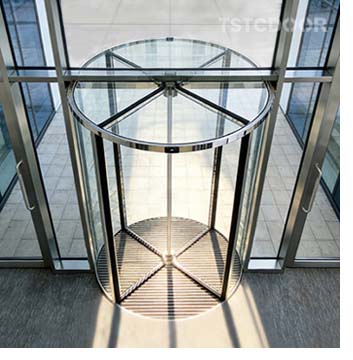
Cleaning and disinfection of security automatic revolving doors are often overlooked in daily facility maintenance schedules. Yet these entrance structures are touched and passed through by hundreds or even thousands of people every day. Whether during global public health emergencies, seasonal flu outbreaks, or periods of heightened infection risk such as the COVID‑19 pandemic, regular and proper cleaning of revolving door entrances is vital to safeguard public health.
1. Risks of Improper Cleaning Practices
Revolving doors feature a variety of surface finishes, and each material requires a matched cleaning protocol. There are two core objectives behind standardized door cleaning: first, disinfection to protect the health and safety of staff, visitors and pedestrians; second, long‑term preservation of the original surface finish and appearance. Using inappropriate cleaners or incorrect techniques may cause temporary surface discoloration or permanent, irreversible damage to door finishes.
2. Recommended Cleaning & Disinfection Guidelines
Please follow the guidance below for routine cleaning of revolving door entrances. One single revolving door usually incorporates multiple different materials, so you may need to apply several separate cleaning methods on different components.
3. Surface Types and Corresponding Cleaning Solutions
▪ Glass. Windex Multi‑Surface Disinfectant Sanitiser Cleaner .
▪ Powder‑coated surfaces. Alcohol‑based cleaners. Avoid any products containing acidic ingredients. Select cleaners labelled suitable for painted or powder‑coated surfaces.
▪ Painted surfaces. Warm soapy water or isopropyl alcohol (70% concentration or above).
Note: Allow newly painted components to fully cure for at least seven days before cleaning them with alcohol‑based disinfectants.
▪ Stainless steel. Alcohol‑based cleaners
▪ Polycarbonate panels. Mild detergent mixed with lukewarm water, applied using a soft lint‑free cloth. Never scrape off adhesive tapes or stickers with sharp tools, as these will scratch and ruin the surface coating. Click here for additional maintenance advice for polycarbonate finishes.
▪ Bullet‑resistant glass. 99% isopropyl alcohol or clean fresh water, used together with a soft cloth.
Note:Sharp scraping tools are prohibited when removing stickers and adhesive residue, which will leave permanent marks on the surface. It is recommended to carry out a full cleaning of the revolving door on a weekly basis. During pandemics, flu seasons or high‑risk infection periods, add a quick daily wipe‑down of frequently touched areas. This practice effectively lowers the risk of cross‑contamination and creates a safer passage environment for all users.
 Feasible Future Technological
 How to Clean and Disinfect Aut
 Brief Introduction For Automat
 Certificate of Origin (CO) For